
Mosquitoes and Ticks in Hunter Backyards: What Actually Works
Fogging kills the mosquitoes you can see and does nothing to the larvae behind the shed. A practical guide to breeding sites, residual margins and the paralysis tick.

Key takeaways
- A mosquito needs seven to ten days of standing water — removing breeding sites does more than any adulticide.
- Fogging kills adults present at the time and reinvasion begins immediately; residual treatment of shaded resting sites lasts longer.
- The paralysis tick is found in long grass and leaf litter along wildlife corridors, so the fence line matters most.
- Remove an attached tick with fine-tipped tweezers — never methylated spirits or heat.
- Treat the margins as the season starts, not when the problem peaks.
Mosquitoes and ticks are the two backyard pests where the risk is not the annoyance — it is the disease and the bite reaction. Both are managed by changing the environment around the house rather than by fogging a garden and hoping it holds.
The mosquito breeding cycle is the whole story
A mosquito needs standing water for roughly seven to ten days to complete a breeding cycle in warm weather. That single fact drives everything worth doing.
- Tip out or cover anything holding water after rain and after watering the garden
- Clear blocked gutters, valley irons and flat sections of roof
- Screen water tanks and fix damaged inlets
- Refresh pet bowls and bird baths weekly
- Drain pool covers where folds hold water, and keep the pool circulating
- Check the tray under pot plants and the drip tray under the hot water system
A house that removes its breeding sites has fewer mosquitoes regardless of what the neighbour is doing — and unlike spraying, that effect compounds week after week.
Why fogging feels effective and then fails
Adulticide fogging kills the mosquitoes present at that moment and looks spectacular. It does nothing to larvae in a bucket behind the shed, and reinvasion from surrounding gardens begins immediately.
What holds longer is a two-part approach: source reduction of breeding sites, and a residual treatment on the shaded resting sites adults use during the day — under the house, dense shrubs, shaded fence lines, under decks and in outbuilding eaves.
Mosquitoes, disease and the Hunter
Ross River virus and Barmah Forest virus are both present in the region, and cases typically rise through summer and autumn. Most people recover, but the joint pain and fatigue can last months.
Reduce exposure as well as breeding sites:
- Wear long sleeves and repellent at dusk when working outside
- Use a repellent registered with a known active ingredient, and reapply as directed
- Repair flyscreens and use them properly at dusk
- Keep grass short along fence lines and near outdoor seating
- If a neighbour's property is a persistent source — a neglected pool, a blocked drain — your council's environmental health team can act
Council programs treat public land and wetlands; they cannot treat your yard. That is the gap a private service fills, and it is why the two work best together.
Ticks are a different problem
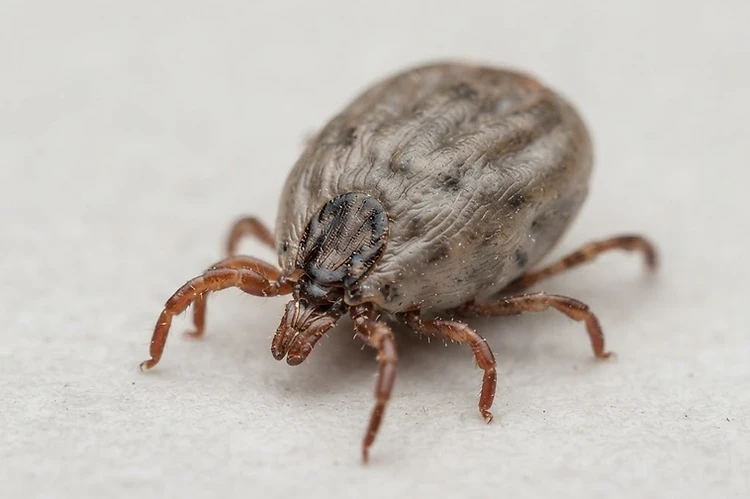
The paralysis tick is found along the east coast, in long grass, leaf litter and the shrubby margins where wildlife moves. Bandicoots and possums carry them, so a garden with a wildlife corridor at the back fence will always have some tick pressure.
For pets, the risk is serious: paralysis ticks cause progressive weakness, and a dog can deteriorate quickly. Prevention products, daily searches during the season and a vet call at the first sign of wobbliness are the priorities.
For people, the practical rules are:
- Keep grass short at the fence line and along paths
- Remove leaf litter and keep garden beds off the lawn edges where children play
- Wear long trousers and boots in bushy areas, and tuck trousers into socks
- Search after being in the bush — behind the ears, in the hair, at the waistband
- Remove an attached tick with fine-tipped tweezers, gripping close to the skin and pulling steadily — do not use methylated spirits, kerosene or a hot match
- Watch the bite site; tick bites in this region are linked to allergic reactions to red meat, so a reaction after a bite is worth discussing with a doctor
What a yard treatment covers
For mosquitoes: breeding-site treatment of drains, pits and standing water that cannot be drained, plus residual on shaded resting sites.
For ticks: treatment of the grass and litter margins where ticks quest — fence lines, garden edges, the transition between lawn and bushland — and advice on what to change in the garden so the pressure does not simply return.
Timing matters. Both are most effectively treated as the season starts, not when the problem is at its peak.
Five rules for a treated home with kids and pets
Products are chosen to be low-risk when used as directed. Placement and drying time do most of the work.
- 1Clear the zone before the technician arrives
Toys, bedding, pet bowls, food and floor rugs off the floor and benches. Anything not cleared is usually not treated.
- 2Leave for the stated re-entry period
One to two hours for a general treatment once surfaces are dry, two to four hours for a flea or carpet treatment. The clock starts when the technician finishes.
- 3Treat dry as clean
Keep bare feet, paws and toddlers off treated surfaces until they are visibly dry. Then ventilate for twenty minutes.
- 4Move the aquatic and small animals completely
Fish tanks, bird cages and reptile enclosures: cover, aerate and shift out of the treated room. Pyrethroid-based products are highly toxic to fish and aquatic invertebrates.
- 5Secure every bait and station
Rodent baits in locked stations, cockroach gel in cracks rather than on open surfaces, and no baits where a dog or child can reach them.
A yard audit you can do in twenty minutes
Walk the property after rain with the specific question: where is water sitting for more than a few days?
- Roof and gutters. Blocked gutters hold water for weeks after the rain stops. Valley irons that have rusted flat are worse.
- Under the house. Subfloor puddles from poor drainage breed mosquitoes in shade, and they are rarely seen.
- Behind the shed. Forgotten buckets, pots, wheelbarrows, tyres and offcuts.
- Water tanks. Damaged screens or an open inlet turn a tank into a breeding container.
- Pool and spa. A pool on a neglected cycle is the largest breeding site on most blocks; a well-maintained pool is not.
- Plant pots. Saucers and the water held in bromeliad and palm crowns.
- Tarps. The fold in a trailer tarp or a boat cover holds enough water for a full cycle.
- Drains and pits. Blocked stormwater pits, ag drains and grease traps.
Anything that cannot be emptied gets treated or filled with sand. That is the whole method, and it works better than any spray.
What pets and children change
- Keep play equipment dry — a sandpit that holds water is a mosquito nursery and a toddler's favourite place
- Check animal water bowls and refresh them weekly
- Do not use repellents on infants under three months; use physical barriers such as netting and long sleeves instead
- Mosquito coils and vapourisers are not safe in enclosed rooms — ventilate, or use screens
What to expect after a professional treatment
Mosquito pressure drops noticeably within a few days on the treated property, but it never reaches zero if neighbouring yards and reserves hold water. Treat it like mowing: a seasonal visit at the start of the warm months, plus source reduction through the season, is what produces a comfortable yard.
Timing the season in the Hunter
Mosquito and tick pressure in the Hunter builds from October, peaks through January and February, and stays meaningful into April in a wet year. The most useful visit is the one in early spring, before the population compounds.
Two weather patterns change the plan: a wet spring produces a mosquito season that lasts longer, and a dry summer concentrates mosquitoes around the few water sources that remain — which is why source reduction keeps paying through the season.
For tick-prone blocks backing onto bushland, we recommend treating the margin before the warm months rather than after a pet has been affected. Once ticks are established along a fence line, they return each season from the wildlife corridor that feeds them.
Why some yards are worse than the one next door
Two neighbouring properties in the same street can have wildly different mosquito pressure, and the difference is almost always water and shade rather than luck.
A yard with dense ground cover, a shaded garden bed that stays damp, a pile of pots behind the shed and a blocked stormwater pit holds larvae in a dozen places you would never spot. The neighbouring yard with a mown lawn, paved edges and open drainage holds none. The adults that emerge drift, so the property breeding them is the one creating the problem for both.
The other local variable is the state of the stormwater system. In older Newcastle and Lake Macquarie suburbs, stormwater pits and pipes are frequently cracked, root-invaded or simply not draining, and a pit that holds a few litres of stagnant water below ground is invisible and productive. If mosquitoes are bad and you cannot find a single container, the pit is the next place to look, and it is a council or plumber matter rather than a pest matter.
Ticks need a different plan
Ticks are not insects, and the treatment logic is not the same.
The paralysis tick is the species that matters on the east coast, and it is active mainly from spring through autumn, with pressure concentrated in humid, shaded, vegetated areas — the bushland margin, long grass, leaf litter, the shaded edge where a mown lawn meets the scrub. It does not fly or jump; it climbs to the top of a blade of grass or a low shrub and waits, front legs extended.
That behaviour determines the defence. There is no barrier that stops a tick. There is only the habitat edge: keep grass short along the boundaries and the paths you use, create a clear strip between the bush and the lawn, keep leaf litter away from the house and the clothesline, and check yourself, children and dogs after any time in long grass.
For dogs, the practical answer is a vet-prescribed tick prevention product, consistently applied, plus daily searching in the high season. For people, clothing and a search are more effective than any repellent applied hopefully.
What a yard treatment can and cannot do
A professional mosquito treatment targets the resting sites: the shaded foliage, the underside of leaves, the walls and eaves where adults shelter during the day, the fence line and the subfloor.
Done properly, that reduces the adult population sharply and the effect is noticeable within days. What it cannot do is reach larvae you have not found, or stop reinvasion from a breeding site two properties away. That is why the treatment is paired with a source audit rather than sold as a standalone.
A tick treatment follows similar logic and reaches the vegetation margin. It reduces the number of ticks waiting on the edge of the lawn. It does not make a property with long grass and dense scrub tick-free, and no honest provider will claim it does.
The treatment cycle for a mosquito season
Mosquito pressure in the Hunter runs roughly from October to April, and it does not stay steady.
It peaks after rain, when the containers refill and the larvae complete their cycle in seven to ten days, and it drops in dry spells. That pattern argues for timed treatments rather than a single annual visit: one before the season, one at the height of summer, and one after any substantial rain event that leaves standing water.
For most residential yards, two visits a season with source management in between is a sensible budget. For a property adjoining wetland, a creek or a reserve, more frequent treatment will not fix the source and the conversation should be honest about that.
Reading the forecast like a technician
Thirty millimetres of rain followed by a warm week is the signal that matters. It is also the point at which a treatment has the most value, because the adults that emerge from that water are the ones that will be biting two weeks later.
Watch the rain, not the calendar. A dry October produces far less pressure than a wet November.
The pet check
In tick season, searching a dog takes two minutes and matters more than any yard treatment. Run your fingers against the coat from nose to tail, check inside the ears, around the collar, between the toes and under the chin. A tick found in the first hours is a manageable problem; one found after a week is a veterinary emergency.
The gutters, again
Leaf-filled gutters hold water after every storm and are the least-visible breeding site on most properties. Clean them twice a year, before and after the wet season.
How Accurate Pest Control can assist
We treat the margins and the breeding sites rather than fogging the yard, and we will tell you which part of the garden is producing the problem.
- Mosquitoes — breeding and control detail
- Ticks — the paralysis tick and your pets
- Residential pest control
- Pests after a storm
- Get a free quote
Frequently asked questions
Written by
Gary Paras
Founder & Senior Pest Management Technician
Gary Paras is the founder of Accurate Pest Control and leads its termite and building inspection work across Newcastle, Lake Macquarie, Port Stephens, Maitland, the Hunter Valley and the Central Coast. Over more than 20 years he has inspected thousands of Hunter homes, from lakeside cottages and coal-town miners' cottages to new-estate slab homes, and specialises in diagnosing termite activity before it reaches structural timber. He writes the practical pest guidance published here, based on what he and his technicians actually find on site rather than generic advice.
- NSW Pest Management Licence 5080776
- Building Consultant Licence BC499
- Fully Insured Public Liability
- 20+ Years Experience — founded 2005


