
Spring Pest Prevention Checklist for Newcastle Homes
A zone-by-zone spring walkaround for Newcastle homes: termite swarms, ant flights, cockroach breeding, rodent entry points and the water traps that breed mosquitoes.
Key takeaways
- Spring is when termites swarm, ants spread and cockroaches breed fastest — the fortnight you act changes what January looks like.
- Door seals, cleared gutters and drainage are the cheapest fixes on the list and the most effective.
- Do not disturb mud tubes: spraying or scraping them hides evidence and pushes colonies deeper.
- Cockroaches seen in daylight mean an established harbourage, and gel baiting — not surface spray — is the fix.
- Book the annual termite inspection and any general treatment in September or October, before the December rush.
Spring in Newcastle is not one season. It is a series of switches: termites swarm, ants take flight, cockroaches breed faster than any other time of year, and every roof cavity in the Hunter starts warming up. The fortnight you act in makes a measurable difference to what you are dealing with in January.
This is the checklist we would run on our own homes — roughly 30 minutes of walking around, looking at the things that actually matter.
Why spring changes the pest map
Three things happen at once. Soil warms and stays moist, which is exactly the condition subterranean termites need to extend their workings toward a house. Insect life cycles speed up, so a small cockroach population becomes a large one in weeks rather than months. And the first hot days push ants and spiders out of gardens and into wall cavities and kitchens, looking for water.
Rain matters as much as heat. A wet spring fills subfloors, garden beds and roof gutters, and moisture is the single most reliable predictor of pest activity in a Hunter home.
What is active right now in Newcastle
- Termites. Swarms usually appear from September to November, often on a humid evening after rain, around lights. Seeing alates outside is normal; seeing them inside, or finding discarded wings on a windowsill, is not.
- Ants. Black house ants and coastal brown ants send out winged reproductives in spring and start new nests in wall cavities, skirting boards and garden beds.
- Cockroaches. German cockroaches breed continuously but fastest in warmth; the first spring heat is when a kitchen population becomes visible in daylight.
- Spiders. Redbacks and huntsmen become active around sheds, letterboxes, meter boxes and outdoor furniture.
- Rodents. Rats and mice are still sheltering from winter and start exploring roof voids as nights warm.
- Mosquitoes. Any container holding water — a pot saucer, a tarp fold, a blocked gutter — becomes a breeding site within a week.
The checklist, zone by zone
Roof and ceiling
- Clear leaves and debris from gutters and valley irons so water runs where it should
- Check roof flashings, vents and fascia joints for gaps a rat can pass through
- Look at the manhole and the top of the ceiling for droppings, rub marks or nesting material
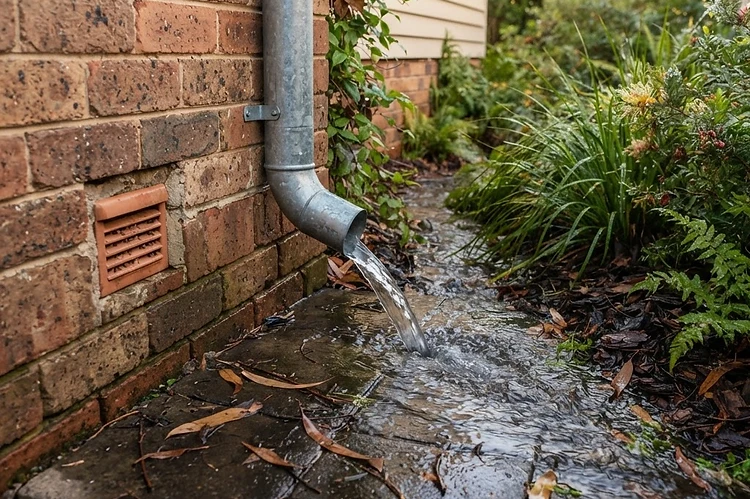
- Confirm downpipes actually discharge away from the footings
Exterior walls
- Walk the perimeter with a torch and look for mud tubes on piers, the slab edge and foundation walls
- Check weep holes: clear, not blocked, not buried
- Look for cracked mortar and gaps where pipes and cables enter the wall
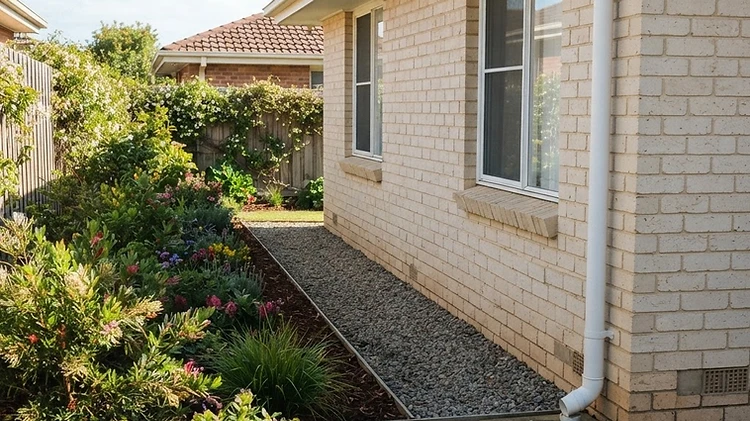
- Pull mulch, soil and garden beds back from the brickwork and keep them below the damp course
Subfloor
- Check that vents are open and not covered by landscaping or stored goods
- Look for damp soil, standing water, leaking plumbing and timber offcuts left behind
- Photograph any mud tube before anyone touches it
Doors and windows
- Fit or replace door seals and draught strips — the single highest-value fix for cockroaches, spiders and mice
- Repair flyscreen tears; check window frames for gaps
- Fit weep hole covers or mesh inserts where pests are getting in
Kitchen and pantry
- Empty the pantry of opened dry goods, flour, cereals, pet food and nuts into sealed containers
- Clean behind the fridge, dishwasher and stove where grease and crumbs collect
- Check the dishwasher and sink waste for leaks that create harbourage moisture
- Fit drain covers to stop cockroaches moving between rooms
Yard
- Tip out and store upside-down anything that holds water
- Keep firewood off the ground and away from the house
- Trim vegetation touching the roof or walls
- Check the compost and garden shed for rodents and redbacks
The 30-minute spring walkaround
Do this once in early spring and you remove most of the reasons pests move in.
- 1Walk the perimeter with a torch
Look for mud tubes on piers and the slab edge, gaps under doors, and cracked render or mortar.
- 2Clear the wall line
Pull mulch, soil, sleepers and firewood back from brickwork. Keep them below the damp course.
- 3Check water
Fix dripping taps, extend downpipes away from footings, and empty anything holding standing water.
- 4Look up
Clear leaves from gutters and check roof flashings and vents for gaps rodents can use.
- 5Look in
Empty the pantry of opened dry goods, seal stored food, and check behind the fridge and dishwasher.

If you find something, triage it
Not every finding needs a technician this week.
- Mud tubes on piers or the slab edge. Do not disturb or spray them. Book a termite inspection — breaking a tube pushes the colony deeper and makes the problem harder to find.
- Droppings in the pantry or roof void. Rodent work is worth doing now, before the population grows through summer. Seal entry points at the same time or you will be repeating it.
- Cockroaches visible in daylight. That usually means an established harbourage, most often behind the fridge, in the dishwasher surround or under the sink. Gel baiting is the appropriate treatment, not surface spray.
- A few ants on a bench. Clear the food source and watch for a trail before treating. Baiting works; spraying the trail often splits the colony.
- Winged termites inside, or discarded wings. Treat as urgent. Catch a sample in a container and arrange an inspection.
What not to do this spring
- Do not spray mud tubes or damaged timber. It hides evidence and can scatter the colony.
- Do not use supermarket foggers for cockroaches. They clear the air, not the harbourage, and drive activity into adjacent rooms.
- Do not over-bait. More bait is not better bait; the label rate exists because pests need a specific dose to carry back to the nest.
- Do not seal the subfloor vents. Blocking ventilation keeps moisture in, which is the opposite of what a termite-prone house needs.
- Do not treat and then renovate over it without telling anyone. Barrier damage is the most common reason a warranty becomes void.
What is worth booking
If you do one thing this spring, book the termite inspection — an annual AS 3660.2 inspection is the cheapest insurance on the property, and spring is when early activity is easiest to find. If cockroaches, spiders or ants are already an annual frustration, a general pest treatment in September or October keeps the house clear through summer and takes a couple of hours.
For holiday homes and rentals, book before the season rather than during it: December is the busiest fortnight of the year for every pest control business in the Hunter.
How Accurate Pest Control can assist
We run the same walkaround on every inspection and tell you which items are urgent, which are routine and which are cosmetic. If the honest answer is "nothing needs treating yet", that is what the report will say.
- Termite inspections — AS 3660.2 inspections with photographs and a written report
- Termite risk assessment — score your property's conditions in two minutes
- General pest control — what a spring treatment covers and how long it lasts
- Get a free quote for Newcastle, Lake Macquarie, Port Stephens, Maitland or the Hunter Valley
Frequently asked questions
Written by
Gary Paras
Founder & Senior Pest Management Technician
Gary Paras is the founder of Accurate Pest Control and leads its termite and building inspection work across Newcastle, Lake Macquarie, Port Stephens, Maitland, the Hunter Valley and the Central Coast. Over more than 20 years he has inspected thousands of Hunter homes, from lakeside cottages and coal-town miners' cottages to new-estate slab homes, and specialises in diagnosing termite activity before it reaches structural timber. He writes the practical pest guidance published here, based on what he and his technicians actually find on site rather than generic advice.
- NSW Pest Management Licence 5080776
- Building Consultant Licence BC499
- Fully Insured Public Liability
- 20+ Years Experience — founded 2005
Keep reading


After the Storm: Pest Risks Following Heavy Rain in the Hunter
28 October 2026
Read article

Seasonal Pest Advice: What to Watch for in Newcastle This Summer
8 October 2026
Read article
How to Read a Termite Inspection Report (and What It Doesn't Cover)
29 October 2026
Read article