

At a glance
Indicative pricing — always confirmed in your free written quote. See the pricing section below for full details and disclaimers.
What every monitoring plan includes
Servicing is what turns an installed baiting system into verified protection. Every visit covers the same core work, whatever the interval.
- Every station located, opened and inspected for termite activity and bait consumption
- Fresh Recruit HD bait in any station where feeding has occurred
- Station lids, locks and soil seating checked and reset so stations stay sealed and findable
- Above-ground stations installed over any new workings found inside the building
- Conditions conducive to attack noted — leaks, drainage, timber-to-ground contact, bridging
- A dated written service record listing each station's status, bait used and next due date
- Scheduling that keeps your installation warranty valid, with a reminder before each service
- Findings explained in plain English, with any recommended treatment quoted before it's done
How often stations are checked
High termite pressure: known activity history, nearby bushland, subfloor construction, or a colony eliminated in the last 12 months.
Moderate pressure with no activity recorded — a common interval for Newcastle homes with a Sentricon perimeter.
Low pressure, perimeter stations only, serviced alongside your annual termite inspection. This is the minimum, not the default.
The interval is set after inspection from your station layout, activity record and Australian Standard AS 3660.2 guidance, and it is written into your proposal before the first service.
Why a Baiting System Needs Servicing
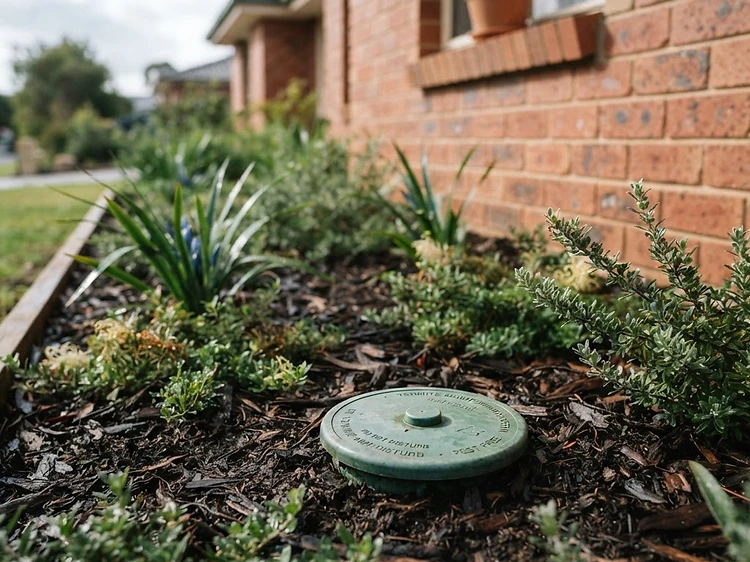
Sentricon Always Active stations are pre-loaded with Recruit HD bait, so termites are intercepted from the day the system goes in — but it only protects while it is being checked. Bait is consumed, stations fill with soil, lids get clipped by mowers and landscaping, and termites can appear in a station that was quiet six months earlier. Monitoring is what converts an installed system into a verified one.
What Happens at Each Service Visit
We locate and open every station on your as-built diagram, record termite activity and bait take, and replace consumed bait. Stations that have been disturbed or buried are reset, above-ground stations are placed over any new workings inside the building, and the surrounding soil, drainage and landscaping are checked for changes since the last visit.
What the Service Record Gives You
You receive a dated record of station-by-station status: where termites were found, how much bait was used, what changed and when the next service is due. That record is what supports your warranty if activity appears, and it is the evidence a building inspector, buyer or insurer asks for when they see a baiting system on a property.
How the Plan Is Priced
Monitoring is quoted after inspection by the number of stations, their layout, access and the service interval — not sold as a flat price that ignores the property. The annual cost is confirmed in writing before the first service, and any treatment recommended from a station finding is quoted separately before it goes ahead.
Monitoring Alongside a Termidor Barrier
If the property also has a non-repellent soil barrier, both systems can be serviced in the one visit: stations checked, the barrier zone inspected and the annual termite inspection booked together. Layered protection is common on high-pressure sites around Newcastle, and combining the visits keeps the ongoing cost down.
When Termites Are Found in a Station
Finding termites in a station is a result, not a failure — the system has intercepted them before they reached the building. We record the activity, keep fresh bait in the station so foragers keep feeding, add above-ground stations if workings are inside, and keep monitoring until the colony collapses. If there is evidence termites have bypassed the station line, we recommend an AS 3660.2 inspection of the building and quote any treatment first.
Monitoring Does Not Replace Your Annual Inspection
Station checks cover the stations and their immediate surround. A termite inspection covers the subfloor, roof void, interior and grounds to AS 3660.2, and AS 3660.2 sets an annual inspection as the minimum for most homes. We run the two together so the station record and the inspection findings sit in one place.
Ready to book sentricon station monitoring?
Get a free, no-obligation written quote — or call and speak to a local technician.